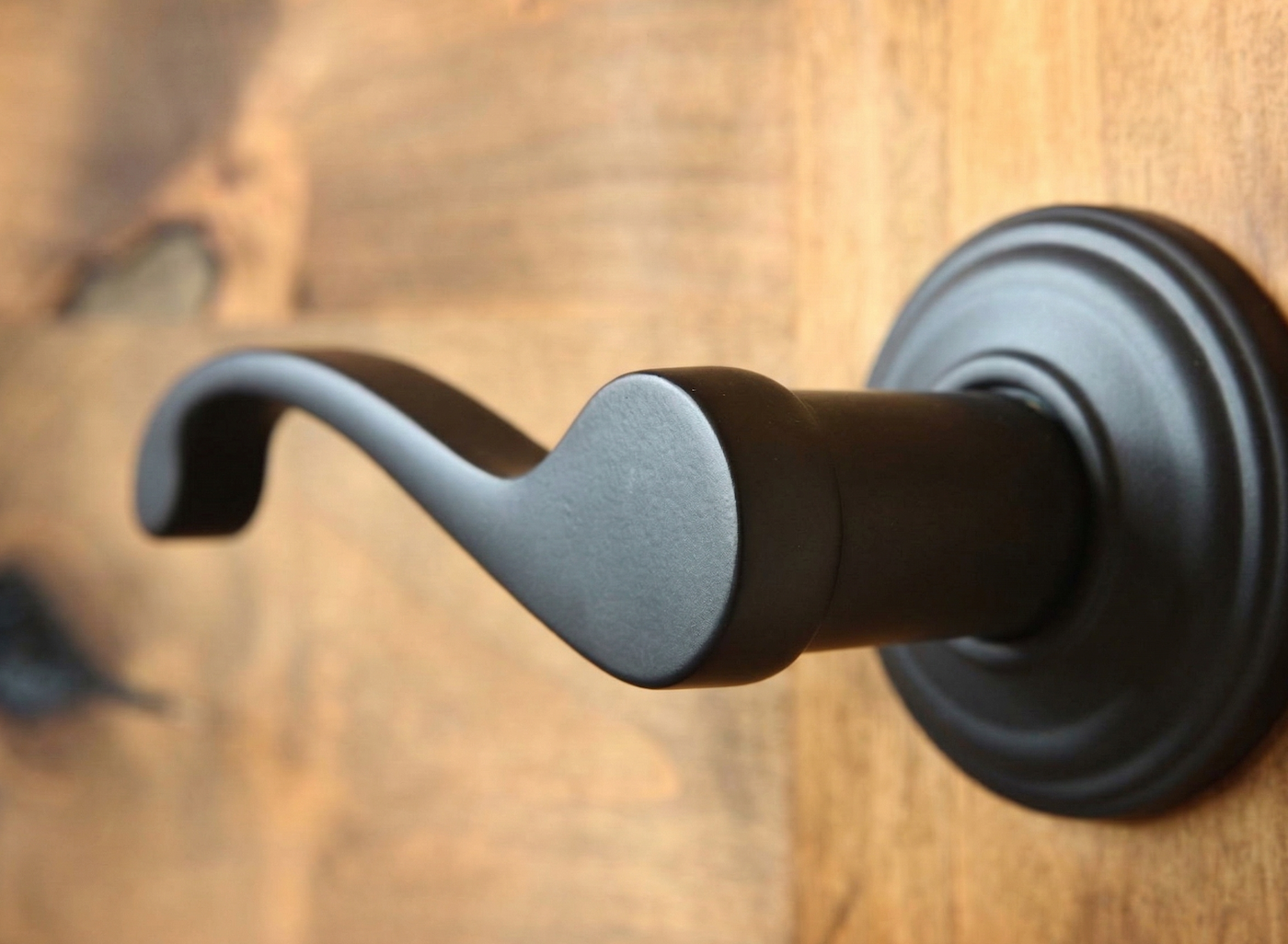







Thirty times a day. That is how often the average person reaches for a door handle, barely even noticing it. In modern architecture, door handles are often so minimalist that they become almost invisible. Yet, this was not always the case. Historically, the door handle was far more than a functional tool. It was considered the "handshake of the house" and understood as a true work of art. In eras such as the Baroque or Art Nouveau, elaborately decorated fittings spoke of the residents' status. With the rise of the Bauhaus movement, this changed radically as pure form took centre stage.
Today, we are witnessing a renaissance of conscious design. This movement is not about loud ostentation, but about quiet luxury and tactile experiences. Manufacturers like Formani from the Netherlands impressively demonstrate how architecture can be translated into a handle. Their sculptural designs prove that a door handle can still be a small work of art today, a fact regularly honoured with international design awards. A pioneer in this fusion of craftsmanship and architecture is the heritage brand Olivari. The company maintains an impressive history of collaborations with design icons such as Zaha Hadid and Jean Nouvel. Their designs look like miniature sculptures made of solid brass. Such details do not make a sound, yet they tangibly shape the quality of a room. A door handle is a small element with a great impact – every day, thirty times over.